Egyptology

Egypt Gallery

Blackburn's Egyptology collection features items including a Greco-Roman mummy, examples of papyrus writing and funerary items.

Blackburn Museum and Art Gallery’s Egyptian collection consists of c. 450 artefacts acquired between 1888 and 1937. At this time, Egypt was occupied by British forces and there was a huge rise in Western interest in Egyptian archaeology.

Funded excavations enabled prominent individuals to acquire artefacts for their collections and museums. Most of the artefacts in our collection were sourced from excavations conducted by William Flinders Petrie and Blackburn born archaeologist John Garstang.

Most of the objects originate from tomb excavations with several sites represented including Abydos, Sesebi and Qasr Ibrim. You can see a selection of these items on display in the Egyptian Gallery on the first floor of the museum.

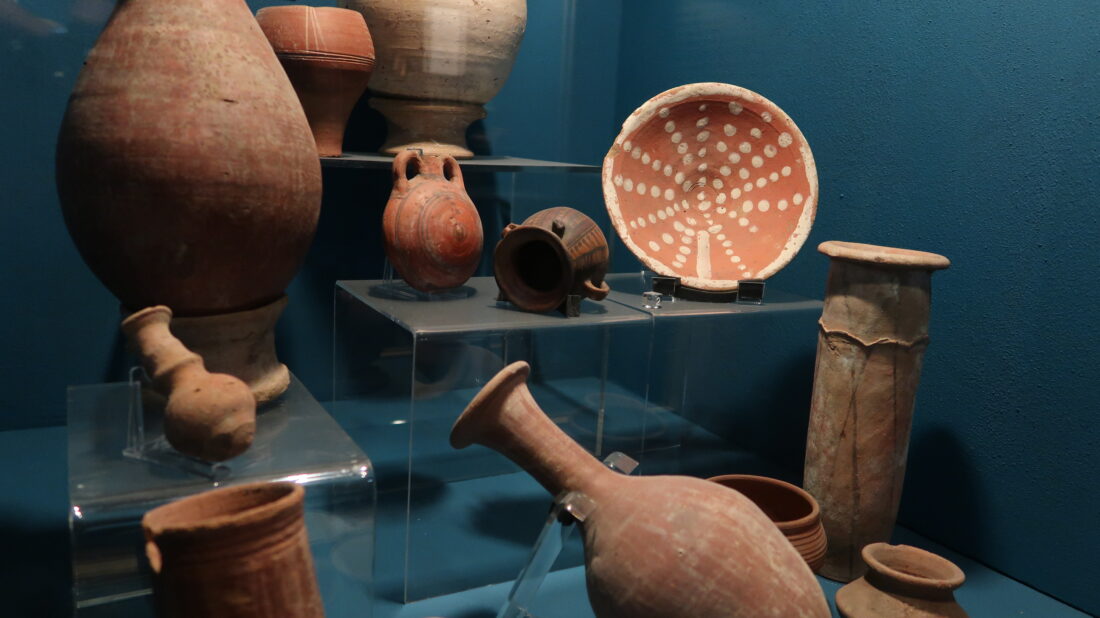
The collection on display consists mainly of small objects such as colourful faience jewellery, personal grooming items like makeup pots and funerary objects including shabtis. The gallery also features the museum’s late 1st – early 2nd century AD mummy, you can discover more about her below.


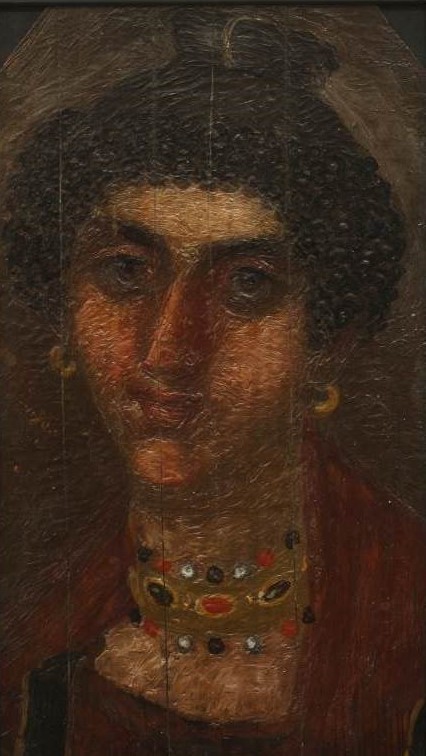
Cracked painted portrait of a woman with dark hair and eyebrows. The woman wears gold hoop earrings and a jeweled necklace with gold, red and white beads which is wrapped around her neck 3 times. She is wearing red clothes.

Blackburn’s mummy was donated in 1888 by Manchester cotton manufacturer Jesse Haworth. She was one of 81 mummies excavated in 1888-9 from a Graeco-Egyptian cemetery at Hawara by British archaeologist William Flinders Petrie.

The particular mummies had lifelike portraits covering their faces. This was a practice distinctive to a period during the Roman occupation of Egypt, beginning in the 1st century BC. The portraits became known as Fayum mummy portraits, named after the Faiyum Basin, the area in Egypt where most examples were found.

Her portrait was removed at some point in antiquity, but would have originally been held in place by a linen frame over her face. Her likeness has been painted in coloured wax (encaustic) on wooden boards. She is young, and her hairstyle and jewellery reflect the Roman influenced styles of the time.
 

We offer Life in Ancient Egypt school sessions as part of our Key Stage 2 learning programme.

Pupils will pay a visit to the mummy and get the opportunity to find our more about Ancient Egypt through objects from the collection and our handling boxes to discover more about life in this period.

Find out more about the session and how to book on our Learning page.